Software development is an intricate process that involves creating, testing, and maintaining software products and services to meet user expectations. To guide this process, various software development methodologies have been developed. In this article, we will explore the five most commonly used methodologies: Agile, Scrum, Kanban, DevOps, and Waterfall.
Agile: Flexibility and Collaboration
Agile software development emphasizes flexibility, collaboration, and customer satisfaction. The Agile model enables projects to adapt quickly to change requests, ensuring quick project completion.
Some advantages of Agile include faster delivery, customer satisfaction, constant interactions between business people and developers, and better adaptation to rapidly changing requirements.
However, Agile does require a high degree of expertise, may not be suitable for larger and complex projects, and can be challenging to estimate resource requirements and predict expected results.
Scrum: Agile Development in Phases
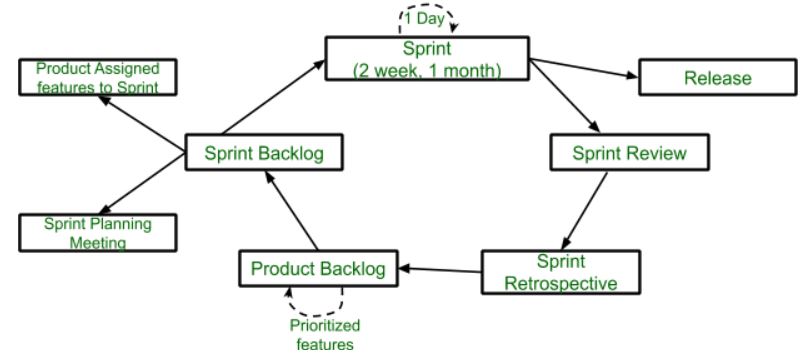
Scrum is an iterative and incremental software development framework, focusing on agility and customer satisfaction. It divides the development process into fixed-length iterations called sprints, consisting of four phases: sprint planning, daily scrum meetings, sprint review, and sprint retrospective.

Scrum offers advantages such as managing complex projects, prioritizing customer satisfaction, iterative development, and adaptability to changing requirements. However, frequent meetings can be time-consuming, changes within sprints are not allowed, and it may not be suitable for projects with highly predictable and well-defined requirements.
Kanban: Efficient Project Management
Kanban is an effective way to manage projects and improve workflow. It utilizes visual signals or cards on a board with columns representing different stages of the plan. By tracking tasks or features, teams can monitor progress, apply changes, and enhance efficiency.

Some advantages of Kanban include easy implementation and understanding, transparency for process improvement, quick adaptation to market demand, better focus on quality, and streamlined workflow. However, managing complex projects with multiple teams can be challenging, and timely release or completion of tasks may not be ensured.
DevOps: Collaboration between Development and Operations
DevOps combines development and operations, promoting collaboration, communication, efficiency, and faster delivery of applications and services. It aims to increase an organization’s speed in software delivery.
Advantages of DevOps include faster product delivery, better resource utilization, increased customer satisfaction, and improved communication between teams. However, implementation costs can be high, finding qualified DevOps professionals can be challenging, and standardization in methodologies, tools, and processes is still lacking.
Waterfall: Sequential and Traditional
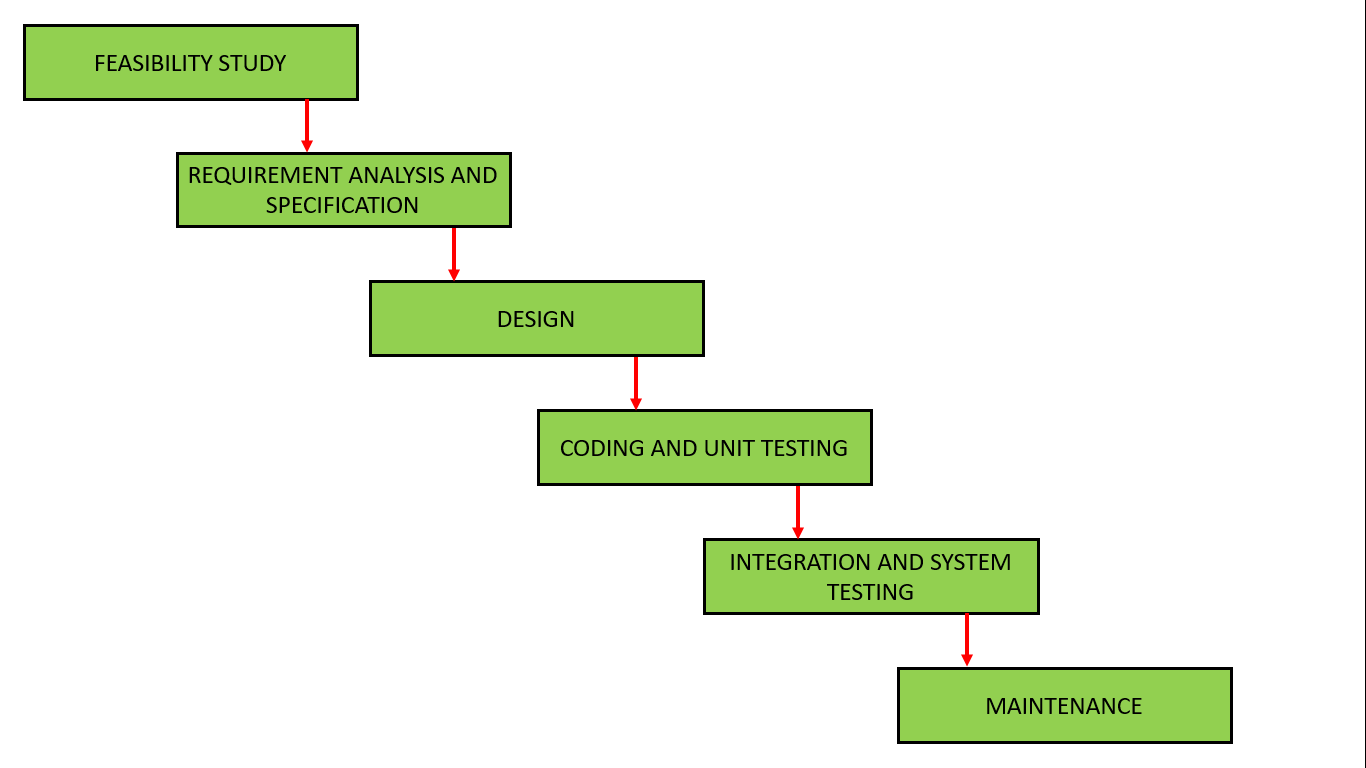
Waterfall is a traditional software development methodology that follows an incremental and sequential approach. It consists of six phases: requirements analysis, design, implementation, testing, deployment, and maintenance. Each phase must be completed before moving to the next, with no revisions allowed.
Some advantages of Waterfall include simplicity, suitability for smaller projects with well-understood requirements, and detailed documentation for each phase. However, it is not well-suited for continuously changing requirements, lacks error detection and feedback in each stage, and can result in lengthy development cycles and a lack of collaboration and innovation.
Conclusion
Choosing the right software development methodology is crucial for successful projects. Each methodology has its own pros and cons. Factors such as complexity, scope, size, duration, budget, and customer expectations should be considered. The ultimate goal is to deliver software products or services that meet user, customer, or stakeholder expectations.
For more information about software development methodologies, visit Software.
FAQs on the 5 Most Commonly used Software Development Methodologies
Q: What is the most commonly used software development methodology?
A: The most popular software development methodology, Agile, promotes adaptability and client happiness.
Q: What is the most common technique used for developing software?
A: Agile software development methodologies, like Scrum and Kanban, are popular approaches.
Q: Which Agile methodology is most widely used?
A: Scrum is the most commonly used Agile approach.
Q: What are the top 5 SDLC?
A: The top 5 SDLCs are Agile, Scrum, Kanban, DevOps, and Waterfall.
Q: Why is waterfall better than Agile?
A: Waterfall development may be preferred for projects with sequential methodology and predictable requirements.
Remember, choosing the right methodology depends on the specific project or team, so consider factors such as complexity, scope, and customer expectations for optimal results.