The Software Testing Life Cycle (STLC) is a systematic approach to testing a software application to ensure that it meets the requirements and is free of defects. It follows a series of steps or phases, each with specific objectives and deliverables. STLC guarantees high-quality, reliable software that meets the needs of end-users.
The Importance of STLC
The main goal of the STLC is to identify and document any defects or issues in the software application as early as possible in the development process. By addressing and resolving issues before the software is released to the public, organizations can ensure the release of a flawless product.
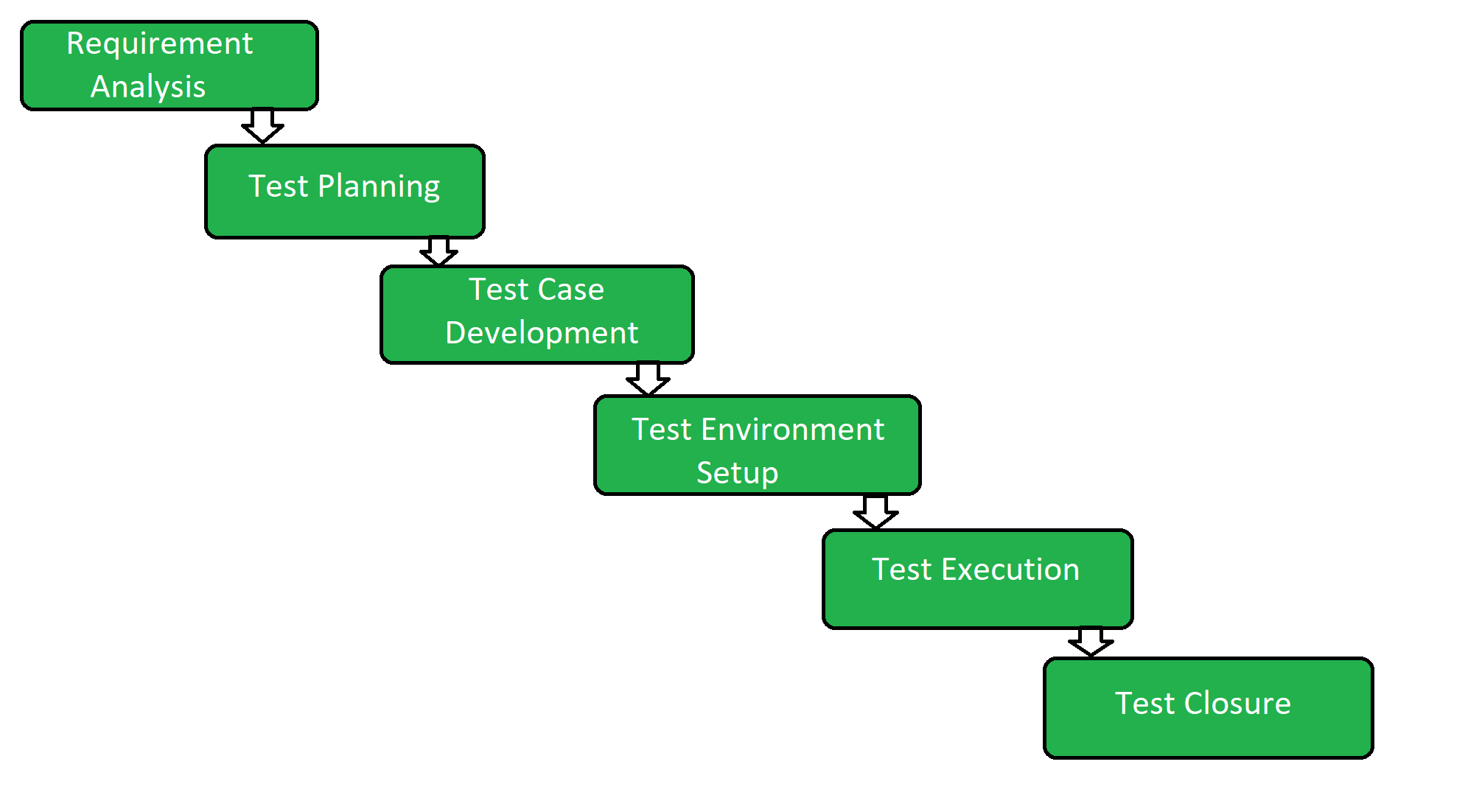
The stages of the STLC include Test Planning, Test Analysis, Test Design, Test Environment Setup, Test Execution, Test Closure, and Defect Retesting. Each stage consists of activities and deliverables that contribute to thorough testing and meeting end-user requirements.
Characteristics of STLC
- Fundamental Part of SDLC: While STLC is a crucial part of the Software Development Life Cycle (SDLC), it focuses solely on testing phases.
- Early Involvement: STLC starts as soon as requirements are defined or the software requirement document is shared by stakeholders.
- Step-by-Step Approach: STLC provides a clear process to ensure the development of quality software.
During the initial stages of STLC, while the software product or application is being developed, the testing team analyzes and defines the scope of testing, entry and exit criteria, and prepares test cases. This early involvement helps reduce test cycle time and enhances product quality. Once the development phase is complete, the testing team is ready with test cases and begins execution, leading to the early detection of bugs.
Phases of STLC
1. Requirement Analysis
Requirement Analysis is the initial step of the Software Testing Life Cycle (STLC). In this phase, the quality assurance team understands the requirements and meets with stakeholders to clarify any missing or unclear information.
Activities during the Requirement Analysis stage include:
- Reviewing the software requirements document (SRD) and related documents
- Interviewing stakeholders for additional information
- Identifying any ambiguities, inconsistencies, missed or incomplete requirements
- Identifying potential risks or issues that may impact the testing process
- Creating a requirement traceability matrix (RTM) to map requirements to test cases
At the end of this stage, the testing team should have a clear understanding of the software requirements and have identified potential issues. This ensures focused testing and high-quality results.
2. Test Planning
Test Planning is a vital phase of the software testing life cycle, where all testing plans are defined. The testing team manager calculates the estimated effort and cost for the testing work, starting after the requirement gathering phase.
Activities during the Test Planning stage include:
- Identifying testing objectives and scope
- Developing a test strategy: selecting testing methods and techniques
- Identifying testing environment and resources
- Identifying test cases and test data
- Estimating time and cost required for testing
- Identifying test deliverables and milestones
- Assigning roles and responsibilities to the testing team
- Reviewing and approving the test plan
At the end of this stage, the testing team should have a detailed plan for testing activities, including objectives, scope, and deliverables. This ensures a well-organized testing process and high-quality results.
3. Test Case Development
The test case development phase starts once the test planning phase is complete. In this phase, the testing team creates detailed test cases and prepares the required test data. The quality assurance team reviews the test cases.
Activities during the Test Case Development stage include:
- Identifying test cases to be developed
- Writing clear, concise, and easy-to-understand test cases
- Creating test data and scenarios
- Identifying expected test results
- Reviewing and validating test cases
- Updating the requirement traceability matrix (RTM)
At the end of this stage, the testing team should have comprehensive and accurate test cases, ensuring thorough testing and the identification of potential issues before release.
4. Test Environment Setup
Test environment setup is a vital part of STLC. It involves creating the ideal conditions for software testing. The setup can be done either by the developer or the customer.
5. Test Execution
Test execution begins after test case development and test environment setup. The testing team executes test cases based on the previously prepared test cases.
Activities during the Test Execution stage include:
- Test execution: Running test cases and scripts to identify defects or issues
- Defect logging: Logging defects found during test execution
- Test data preparation: Preparing and loading test data
- Test environment setup: Setting up hardware, software, and network configurations
- Test result analysis: Analyzing test results to determine performance and identify defects or issues
- Defect retesting: Retesting identified defects to ensure proper fixing
- Test reporting: Documenting and reporting test results to stakeholders
The test execution stage is an iterative process that may need to be repeated until all identified defects are fixed and the software is deemed ready for release.
6. Test Closure
Test closure is the final stage of the STLC, where all testing-related activities are completed and documented. The main objectives are to ensure completion of all testing-related activities and readiness for software release.
Activities during the Test Closure stage include:
- Test summary report: Summarizing the overall testing process
- Defect tracking: Managing and resolving identified defects
- Test environment clean-up: Cleaning up the test environment and archiving test artifacts
- Test closure report: Documenting testing-related activities, objectives, scope, schedule, and resources used
- Knowledge transfer: Sharing knowledge about the software and testing process
- Feedback and improvements: Collecting feedback to improve future testing processes
Test closure ensures that all relevant information is documented and shared, allowing for future reference and improved testing processes.
In conclusion, the Software Testing Life Cycle (STLC) is a vital process that ensures the development of high-quality software. By following a systematic approach and focusing on each phase, organizations can deliver software that meets the needs of their customers, leading to customer satisfaction and business success. For more information, visit Software.